
Book study guide
Understanding the Tao Study Guide
Lao Tzu's Path to Effortless Wisdom
Understanding the Tao study guide: This book turns the Tao from a distant idea into a way of moving through work, grief, relationships, burnout, and daily pressure with more softness and steadiness. Explore key ideas,...
Orientation
What this book is really about
This book turns the Tao from a distant idea into a way of moving through work, grief, relationships, burnout, and daily pressure with more softness and steadiness.
Readers exhausted by force, pressure, and over-efforting.
Beginners curious about Taoism and the Tao Te Ching.
Anyone seeking a softer, clearer way to live.
Idea map
The main movements of the book
Movement 1
How Wu Wei changes the way you handle work, stress, and decision-making.
Modern life trains people to push, optimize, compare, and control. Understanding the Tao brings Lao Tzu's wisdom into plain language and shows how Taoist principles can actually be lived in ordinary life.
Movement 2
Why softness, humility, and enoughness are forms of real strength.
Rather than treating Taoism as decorative spirituality, the book makes simplicity, balance, enoughness, and quiet strength feel usable. It is a reader-friendly companion for anyone who wants ancient wisdom to become a livable rhythm.
Reading plan
A focused way to read it
Before reading
Read the synopsis and choose one question you actually care about. For Understanding the Tao, a good starting question is: How can an old teaching become practical in ordinary decisions, speech, work, and inner life?
First pass
Move through the book for orientation. Mark the ideas that feel useful, uncomfortable, or unusually clear. Do not try to settle every question immediately.
Second pass
Return to the sections connected with Wu Wei, balance, simplicity. Translate each idea into one observation about your life, practice, or understanding.
After finishing
Continue into the Awakening & Presence reading path or one of the related Study Hubs so the book becomes part of a larger inquiry.
Key concepts
Terms and ideas to keep nearby
Wu Wei
Wu Wei gives the reader a practical entrance into the book's main concern.
balance
The book returns to balance when explanation needs to become something lived, chosen, or understood more deeply.
simplicity
simplicity helps connect the teaching to ordinary decisions, relationships, attention, and courage.
inner peace
When inner peace appears, read it as a pressure point in the teaching rather than a definition to memorize.
soft strength
soft strength gives the reader a practical entrance into the book's main concern.
Taoism
The book returns to Taoism when explanation needs to become something lived, chosen, or understood more deeply.
Lao Tzu
Lao Tzu helps connect the teaching to ordinary decisions, relationships, attention, and courage.
flow
When flow appears, read it as a pressure point in the teaching rather than a definition to memorize.
burnout
burnout gives the reader a practical entrance into the book's main concern.
eastern wisdom
The book returns to eastern wisdom when explanation needs to become something lived, chosen, or understood more deeply.
Practice
Turn the reading into reflection
How Wu Wei changes the way you handle work, stress, and decision-making
Apply this to one ordinary pressure point: a decision, a conflict, a delay, or a moment where you usually add strain.
Why softness, humility, and enoughness are forms of real strength
Read the idea as counsel for daily life. Where would less force, more clarity, or better timing change the next step?
How to return to steadiness when life feels overdriven
Let the teaching meet something practical. The useful question is not whether it sounds wise, but whether it changes how you move.
Where does "Wu Wei" show up in your daily choices, relationships, or inner speech?
What would become simpler if you took "balance" seriously for one week?
Which habit, fear, or assumption does "simplicity" ask you to examine rather than defend?
How would your next decision change if "inner peace" became the lens for reading this book?
Where does "soft strength" show up in your daily choices, relationships, or inner speech?
What would become simpler if you took "Taoism" seriously for one week?
Which habit, fear, or assumption does "Lao Tzu" ask you to examine rather than defend?
How would your next decision change if "flow" became the lens for reading this book?
Reader questions
Questions this guide helps answer
What is the best way to read Understanding the Tao?
Read Understanding the Tao slowly enough to connect each idea with one real situation. The most useful approach is to move between the book's explanation, your own reflection, and one practical change in attention or behavior.
What questions does Understanding the Tao help with?
Understanding the Tao is especially useful for questions around Wu Wei, balance, simplicity, inner peace, soft strength. It is written to make the material readable without stripping away its depth.
Is Understanding the Tao beginner friendly?
Yes. Understanding the Tao is designed to give readers a clear entrance into the subject while still leaving room for deeper study.
What should I read after Understanding the Tao?
Use the related books, Study Hubs, and reading paths on this page to continue into connected themes without losing the thread of the book.
Continue reading
Related books
Continue through connected ideas without losing the thread opened by this guide.

The Bhagavad Gita Reimagined
Awaken Your Inner Guide
Instead of approaching the Gita as a remote scripture, this book treats it as a live conversation for moments of confusion, duty, fear, and inner conflict.

The Many Gitas
A Clear, Beginner-Friendly Guide to the Bhagavad Gita and the Other Great Gitas
Most readers know the Bhagavad Gita and never realize there is a wider library of Gitas. This book opens that larger world with structure, clarity, and context.
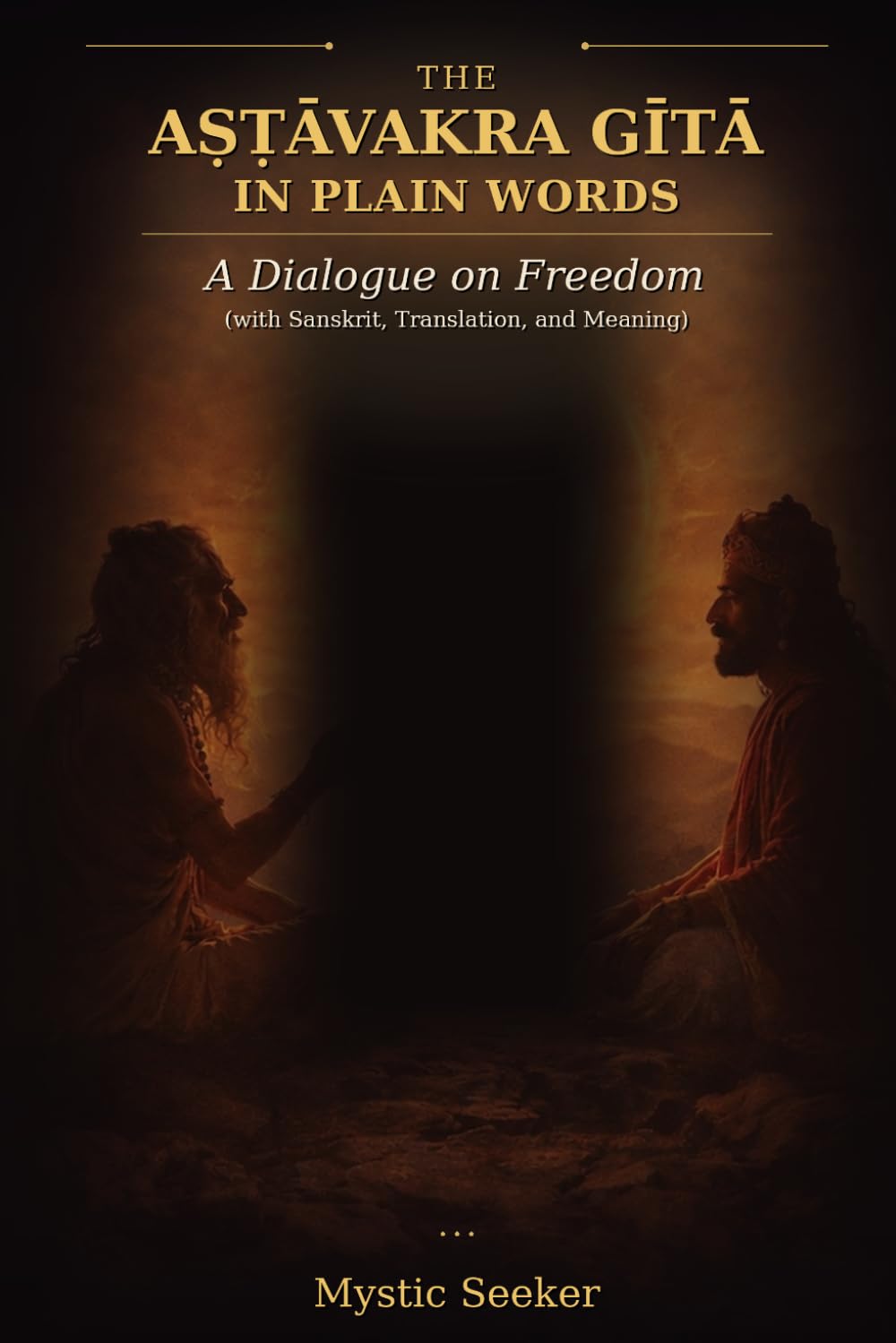
The Ashtavakra Gita in Plain Words
A Dialogue on Freedom
This is a reading companion for one of the boldest nondual texts in the tradition: a book that does not flatter the self but asks what remains when mistaken identity falls away.

The Way of Flow
Laozi and the Art of Effortless Living
This book turns wu wei, simplicity, softness, and non-resistance into a readable practice for overwhelmed modern readers tired of pushing life into shape.