
1
A mandala is not just a pattern
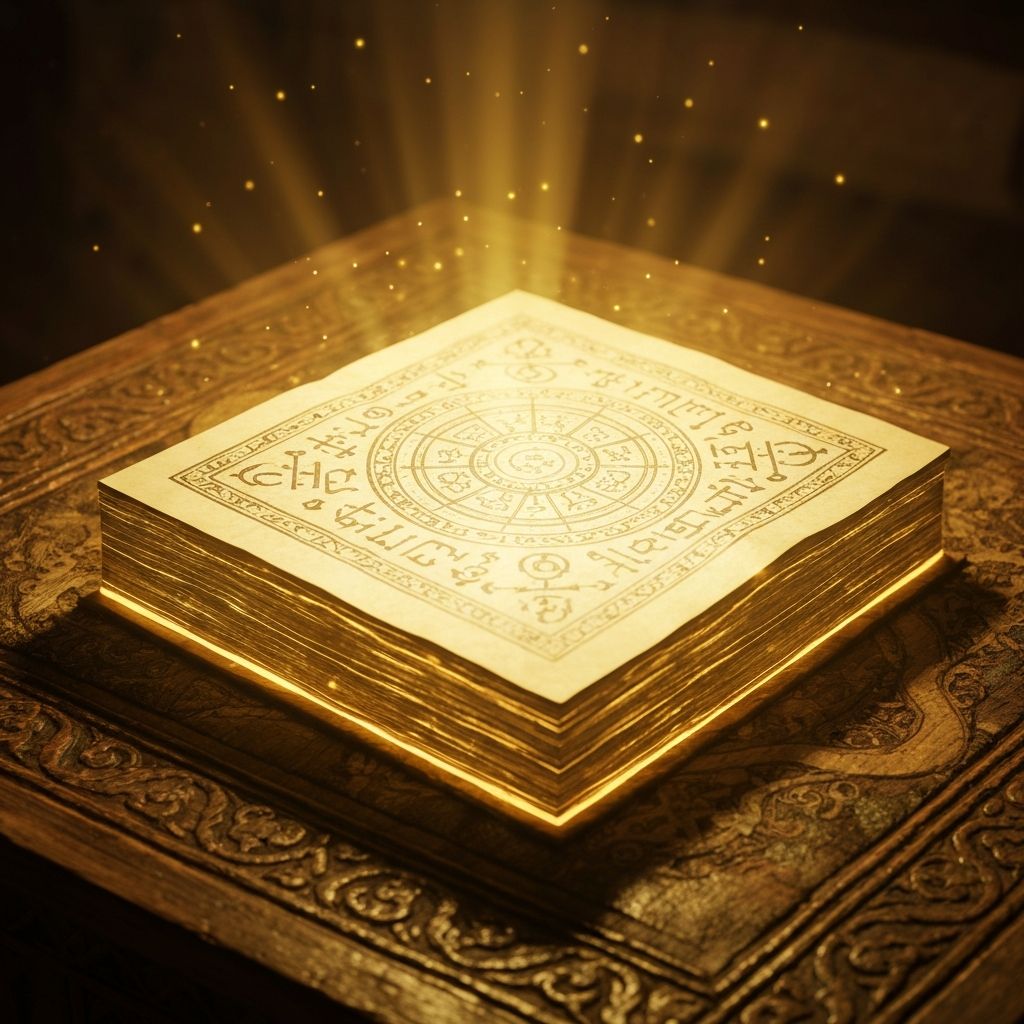
Many mandalas are beautiful, but beauty is not the whole point. In Buddhist, Hindu, Jain, and other Asian traditions, mandala-like diagrams can organize sacred space, visualize a cosmos, support meditation, or guide ritual movement from outer complexity toward a meaningful center.
- The outer boundary marks a protected field of attention.
- Repeated forms train the eye to move with order instead of distraction.
- The center gathers meaning: deity, emptiness, insight, palace, seed, or awakened presence depending on the tradition.
- The diagram is often used, entered, contemplated, or ritually constructed rather than merely viewed.