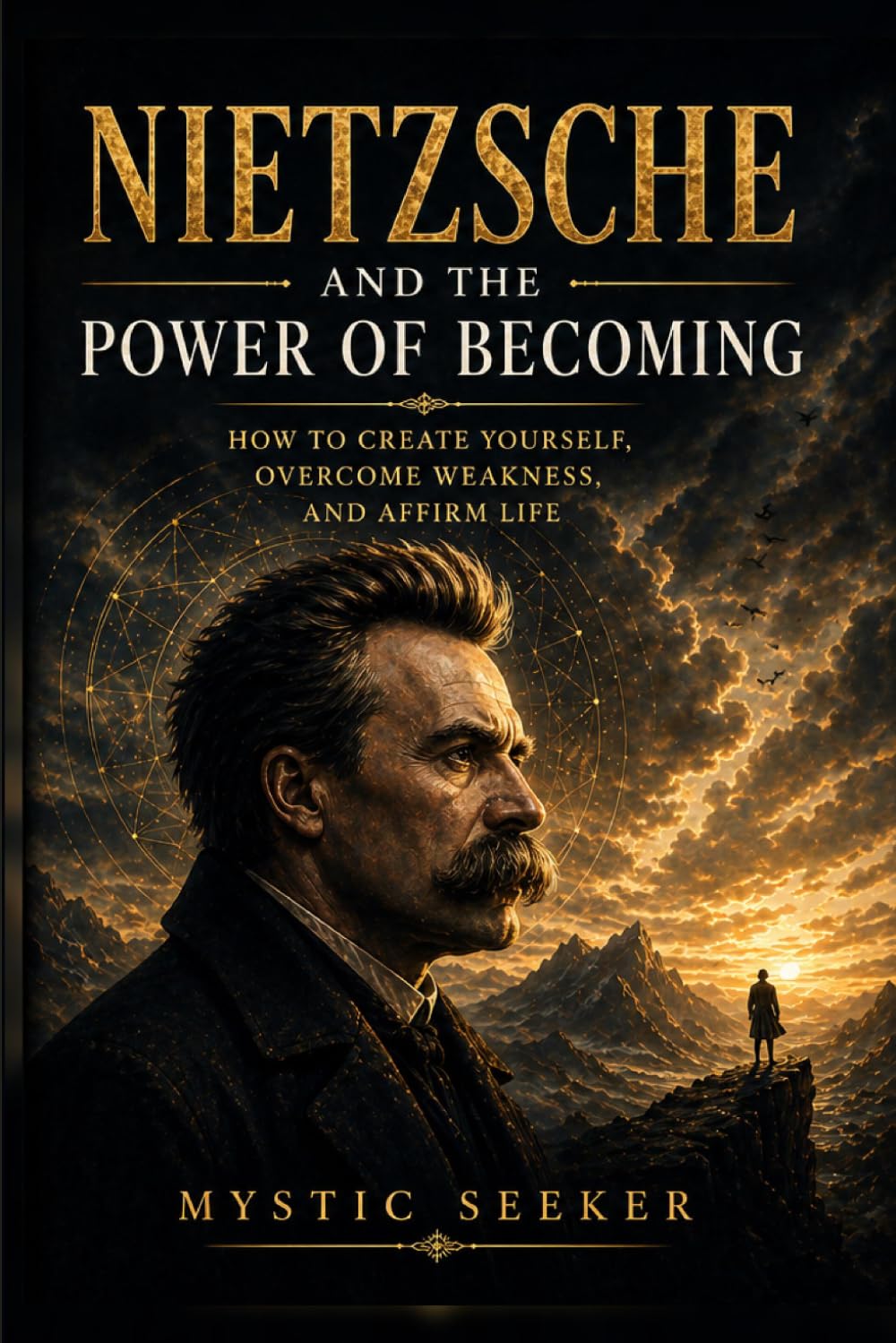
Book study guide
Nietzsche and the Power of Becoming Study Guide
How to Create Yourself, Overcome Weakness, and Affirm Life
Nietzsche and the Power of Becoming study guide: This book brings Nietzsche into plain language without reducing his force, turning will to power, self-overcoming, resentment, eternal recurrence, and amor fati into a...
Orientation
What this book is really about
This book brings Nietzsche into plain language without reducing his force, turning will to power, self-overcoming, resentment, eternal recurrence, and amor fati into a practical philosophy of becoming.
Readers curious about Nietzsche but wary of dense academic editions.
People interested in existential philosophy, self-creation, and strength without cliche.
Anyone trying to understand resentment, ambition, and the problem of inherited values.
Idea map
The main movements of the book
Movement 1
How Nietzsche's ideas expose resentment, conformity, and inherited values.
Nietzsche and the Power of Becoming explains one of modern philosophy's most misunderstood thinkers through morality, ambition, guilt, resentment, conformity, creativity, and the struggle to create oneself rather than inherit a borrowed life.
Movement 2
What self-overcoming means beyond motivational language.
Rather than flattening Nietzsche into slogans, the book treats him as a demanding companion for readers wrestling with weakness, herd thinking, self-mastery, meaning, and the challenge of affirming life when life is difficult.
Reading plan
A focused way to read it
Before reading
Read the synopsis and choose one question you actually care about. For Nietzsche and the Power of Becoming, a good starting question is: What does this thinker or mystic ask us to examine about freedom, identity, truth, and courage?
First pass
Move through the book for orientation. Mark the ideas that feel useful, uncomfortable, or unusually clear. Do not try to settle every question immediately.
Second pass
Return to the sections connected with Nietzsche, self-overcoming, resentment. Translate each idea into one observation about your life, practice, or understanding.
After finishing
Continue into Nietzsche and the Power of Becoming so the book becomes part of a larger study path.
Key concepts
Terms and ideas to keep nearby
Nietzsche
Nietzsche opens one of the book's central tensions: what must be questioned before freedom or clarity becomes real.
self-overcoming
The book uses self-overcoming to move from interesting ideas into the demand those ideas place on a life.
resentment
resentment matters because it tests whether the teaching remains theoretical or begins to change perception and conduct.
affirmation
affirmation opens one of the book's central tensions: what must be questioned before freedom or clarity becomes real.
becoming
The book uses becoming to move from interesting ideas into the demand those ideas place on a life.
will to power
will to power matters because it tests whether the teaching remains theoretical or begins to change perception and conduct.
amor fati
amor fati opens one of the book's central tensions: what must be questioned before freedom or clarity becomes real.
eternal recurrence
The book uses eternal recurrence to move from interesting ideas into the demand those ideas place on a life.
self-mastery
self-mastery matters because it tests whether the teaching remains theoretical or begins to change perception and conduct.
Practice
Turn the reading into reflection
How Nietzsche's ideas expose resentment, conformity, and inherited values
Test the idea against one real choice. If it is true, what would it ask you to stop pretending, defending, or postponing?
What self-overcoming means beyond motivational language
Treat this as a question with consequences. Notice where the teaching challenges comfort, identity, certainty, or habit.
How concepts like will to power, eternal recurrence, and amor fati can be read as tools for life
Bring the idea into a moment of friction. The useful part is where it changes perception, not where it sounds impressive.
Where does "Nietzsche" show up in your daily choices, relationships, or inner speech?
What would become simpler if you took "self-overcoming" seriously for one week?
Which habit, fear, or assumption does "resentment" ask you to examine rather than defend?
How would your next decision change if "affirmation" became the lens for reading this book?
Where does "becoming" show up in your daily choices, relationships, or inner speech?
What would become simpler if you took "will to power" seriously for one week?
Which habit, fear, or assumption does "amor fati" ask you to examine rather than defend?
How would your next decision change if "eternal recurrence" became the lens for reading this book?
Reader questions
Questions this guide helps answer
What is the best way to read Nietzsche and the Power of Becoming?
Read Nietzsche and the Power of Becoming slowly enough to connect each idea with one real situation. The most useful approach is to move between the book's explanation, your own reflection, and one practical change in attention or behavior.
What questions does Nietzsche and the Power of Becoming help with?
Nietzsche and the Power of Becoming is especially useful for questions around Nietzsche, self-overcoming, resentment, affirmation, becoming. It is written to make the material readable without stripping away its depth.
Is Nietzsche and the Power of Becoming beginner friendly?
Nietzsche and the Power of Becoming can be read by serious beginners, but it works best when the reader is willing to slow down and reflect rather than skim for quick conclusions.
What should I read after Nietzsche and the Power of Becoming?
Use the related books, Study Hubs, and reading paths on this page to continue into connected themes without losing the thread of the book.
Continue reading
Related books
Continue through connected ideas without losing the thread opened by this guide.
The Inner Citadel
Twenty Philosophers on How to Master Your Life, Find Meaning, and Confront Chaos
This book turns philosophy back into medicine by asking what each thinker helps us endure, understand, or become.
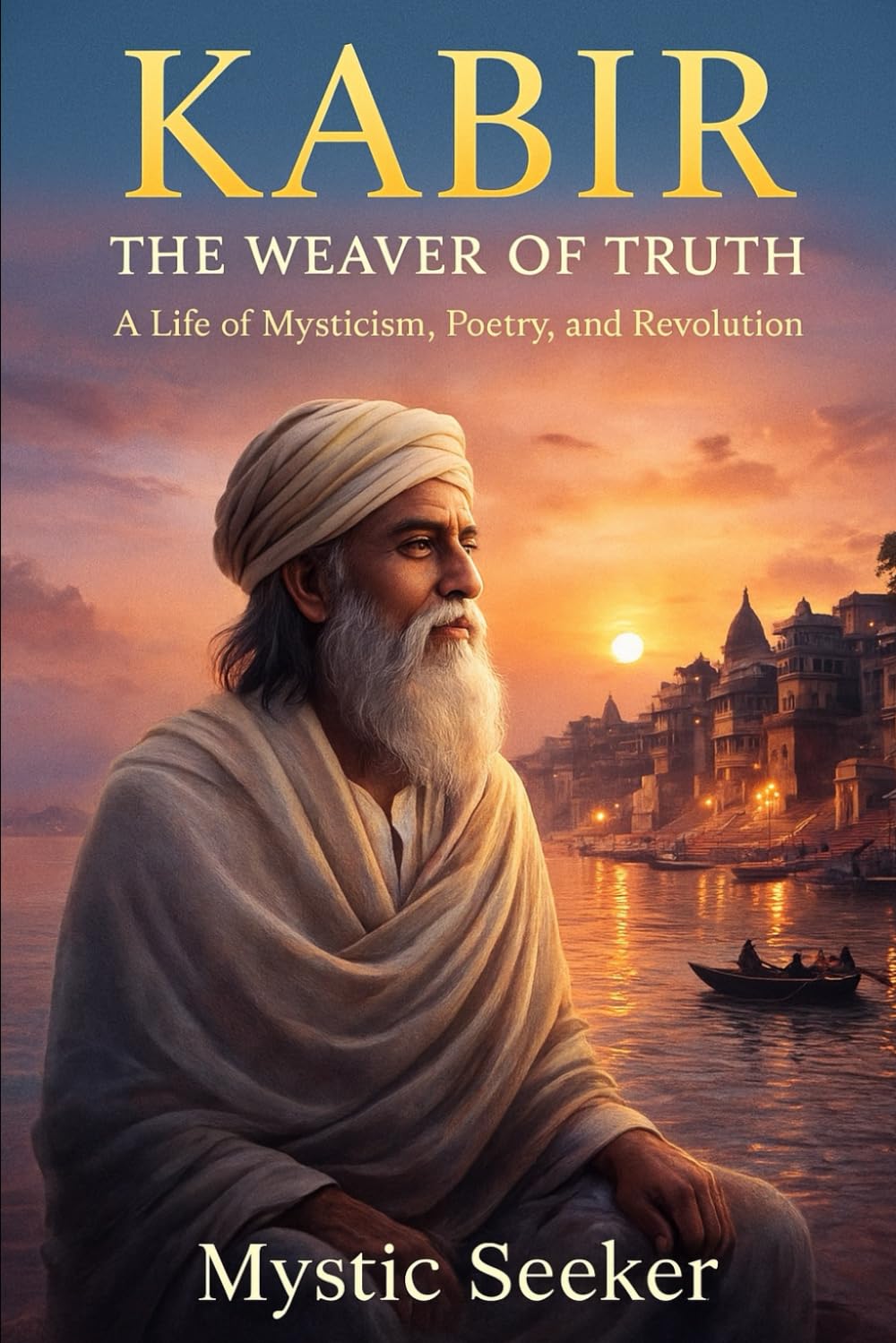
Kabir - The Weaver of Truth
A Life of Mysticism, Poetry, and Revolution
This biography brings Kabir alive as a force rather than a name: rebellious, cleansing, disruptive, and still startlingly relevant.
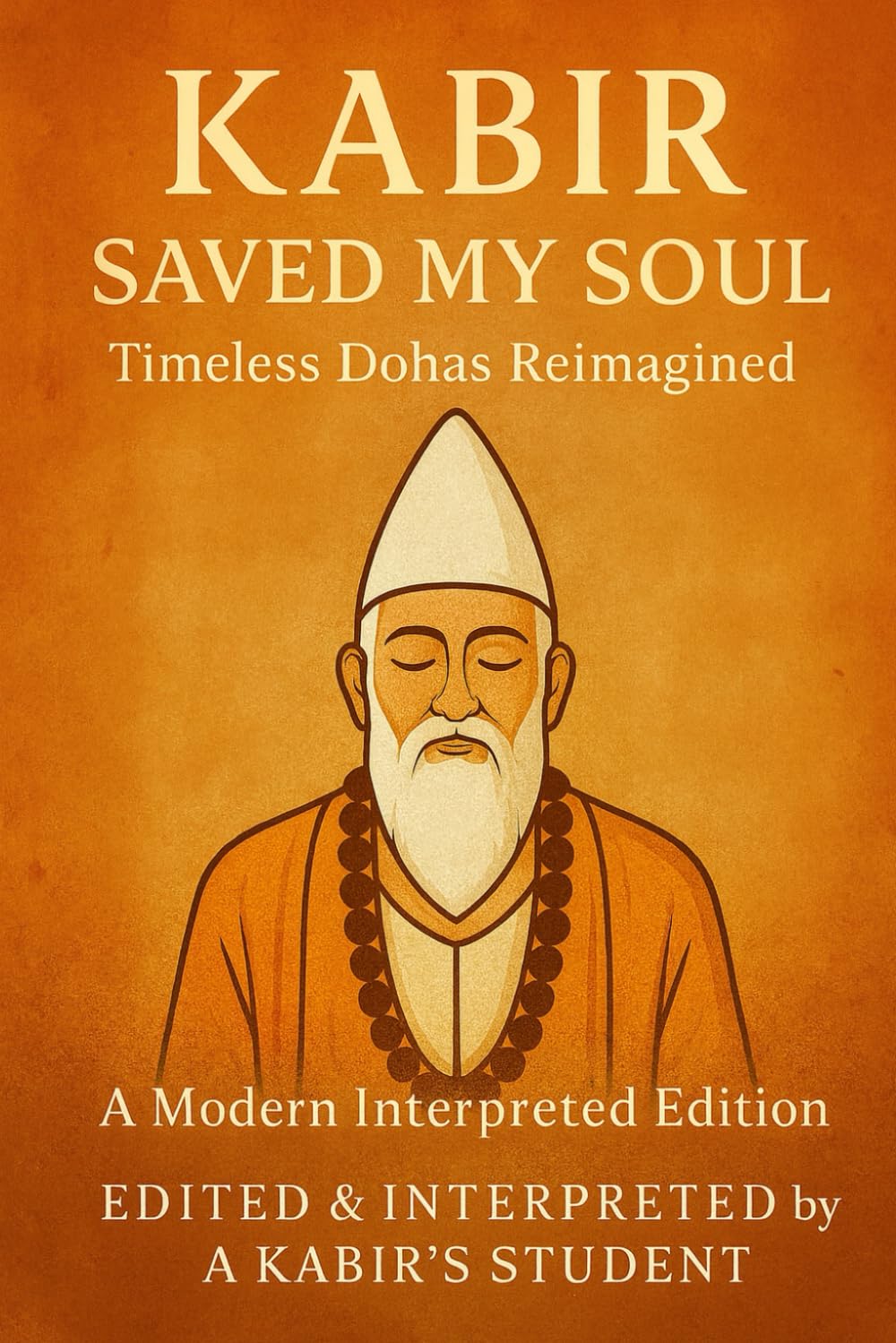
Kabir Saved My Soul
Timeless Dohas Reimagined
Short, potent, and luminous, these dohas become practical medicine for readers who need truth that lands quickly and stays.

The Beginner's Book of Mystics & Philosophers
Understanding 20 Great Minds Who Transformed Human Thinking
This is the welcoming doorway for readers standing at the edge of a larger wisdom tradition and needing orientation more than intimidation.