Use these steps as a quick map, then move into the lectures, lessons, source texts, and related books below.
philosopherIntermediateRead, test, compare
1
Central tension
Nietzsche is most useful when the core tension is clear: discipline, courage, clarity, self-overcoming, devotion, surrender, or intellectual honesty.
2
Usable insight
The figure is not the whole point. The lasting value is the insight that clarifies action, attention, emotion, or self-understanding.
3
One field of life
The material becomes concrete through areas where complaint replaces creation, and where responsibility for becoming can replace inherited resentment.
4
A useful counterweight
A different tradition in the Mystic Seeker library can reveal what this view clarifies, what it leaves unresolved, and where another lens is needed.
Core questions
Use these as entry points.
4
Which values in my life are inherited rather than chosen?
Where has resentment disguised itself as morality?
What would self-overcoming look like without cruelty?
How do I affirm life without denying suffering?
Living practice
Nietzsche's challenge becomes concrete where inherited values meet chosen values, especially when a chosen value has to be lived publicly.
Hosted lessons
Read the Mystic Seeker guide inside this hub.
These are native lessons written for this site: short explanations, practices, prompts, and glossaries that make the hub useful without sending visitors away.
These editions come from Project Gutenberg and other public-domain archives. Read them here in a cleaner study view, or open the source page for publication details, downloads, and rights information.
These notes turn the hub into a usable path: why it matters, how to approach it, and how to make the teaching practical without flattening it.
1
Why this hub matters
Nietzsche is dangerous when read as permission for arrogance and powerful when read as a challenge to cowardice, resentment, herd-thinking, and unlived life. The useful question is not how to feel superior, but how to become more honest, alive, and responsible.
2
Study focus
Nietzsche's language carries heat and risk. Its provocation is useful only when it leads to clearer self-creation.
A passage often exposes a hidden weakness or inherited value.
Courage and domination are not the same thing.
Resentment can turn pain into identity.
Honesty, vitality, and creative responsibility are the useful measures.
3
Living practice
Nietzsche's challenge becomes concrete where inherited values meet chosen values, especially when a chosen value has to be lived publicly.
Study materials
Curated sources for this hub.
Explore source texts and trusted references connected to this hub. Some readings open here; others continue to the original publisher.
Primary sourceRead hereEnglish
Thus Spake Zarathustra
Project Gutenberg
Thomas Common's public-domain translation for Nietzsche's poetic language of becoming and self-overcoming.
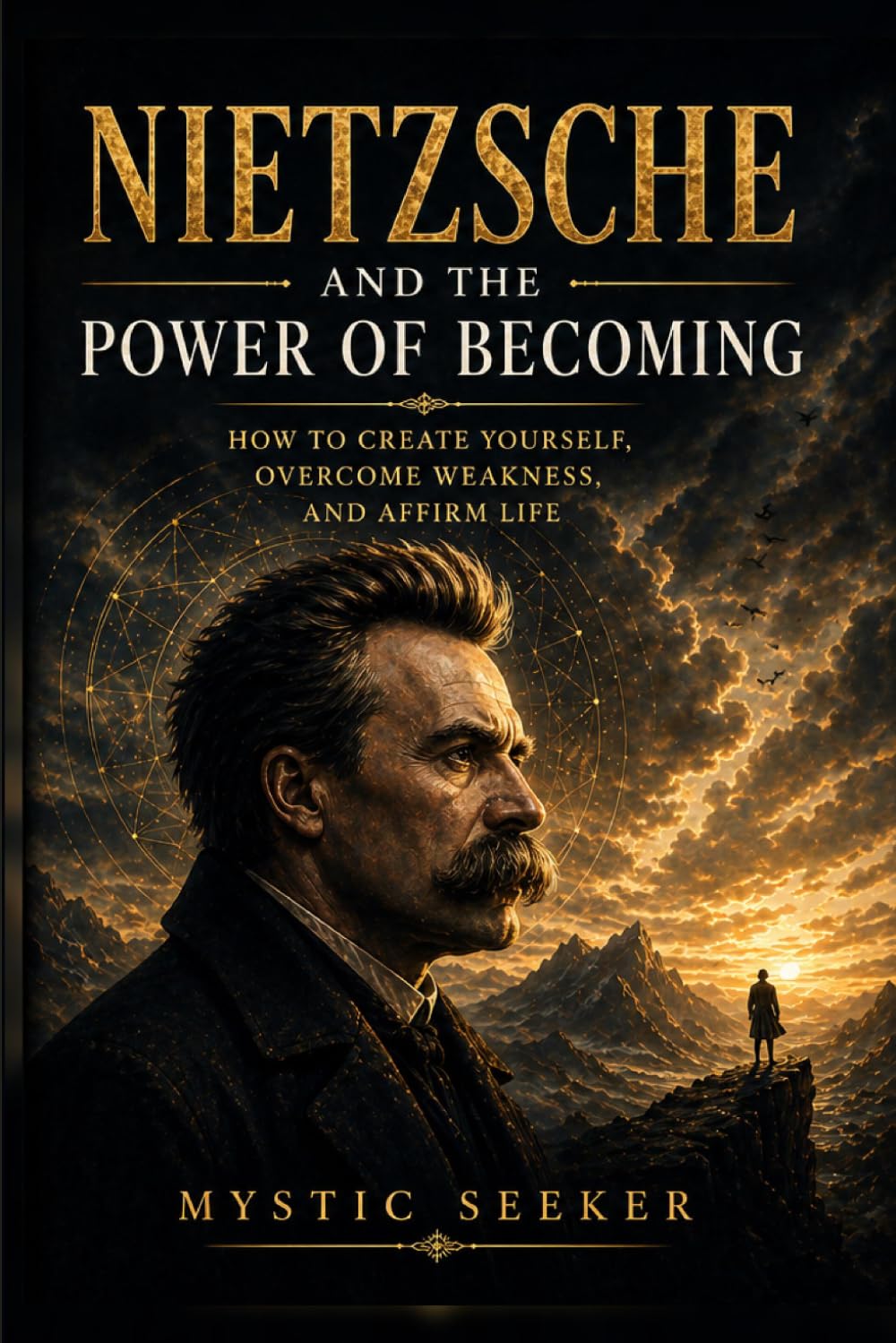
How to Create Yourself, Overcome Weakness, and Affirm Life
This book brings Nietzsche into plain language without reducing his force, turning will to power, self-overcoming, resentment, eternal recurrence, and amor fati into a practical philosophy of becoming.
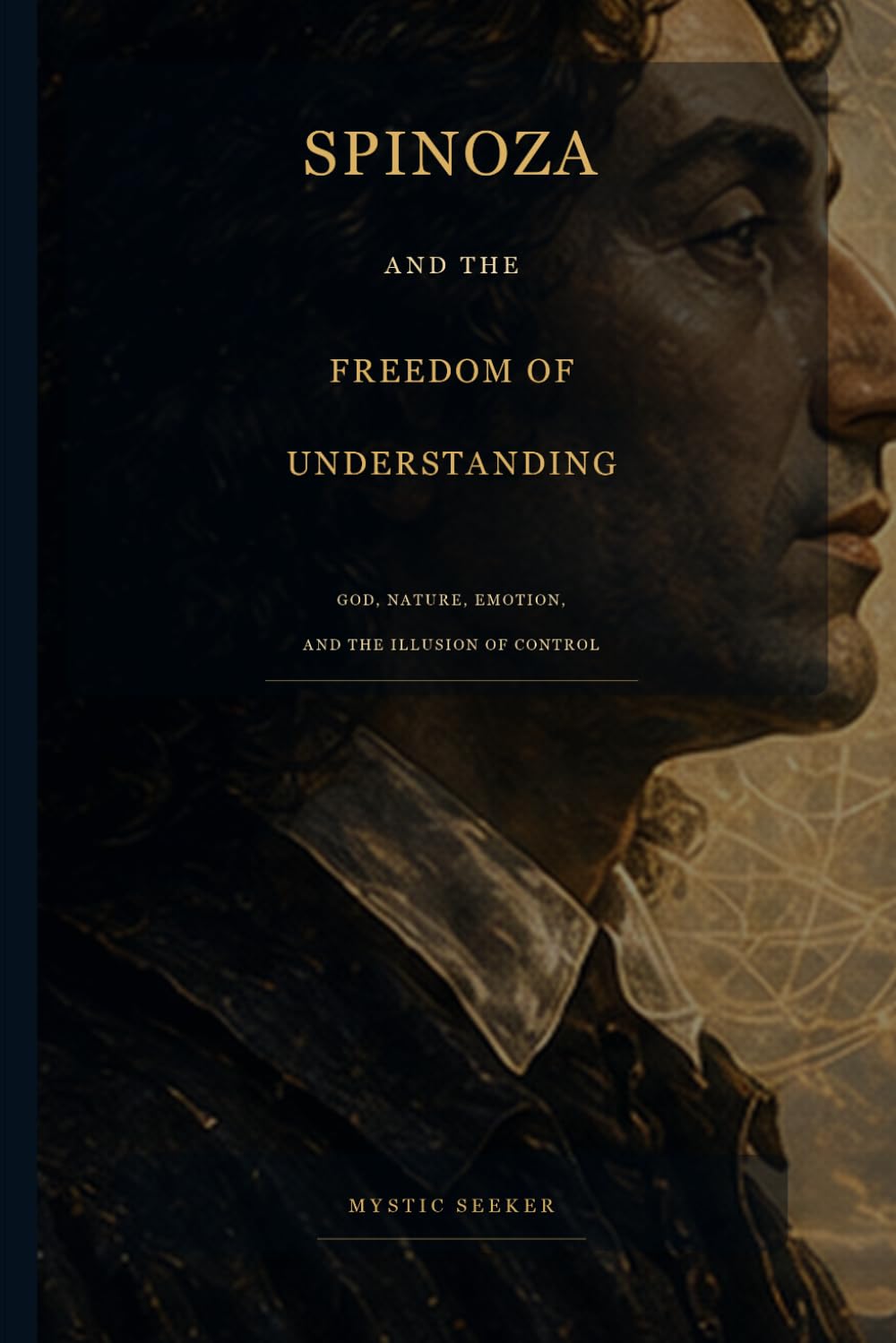
A Clear, Illustrated Guide to God, Nature, Emotion, and Inner Freedom
This book brings Spinoza out of academic distance and into the living questions of control, desire, fear, free will, peace, and the search for a deeper kind of freedom.
Marcus Aurelius & The Art of Controlling Thought, Emotion, and Reaction
Built from the private discipline of Marcus Aurelius, this book turns Stoic insight into a usable system for overthinking, pressure, anger, fear, desire, and self-command in modern life.
Alan Watts and the Art of Letting Go of Who You Think You Are
This book brings Alan Watts into plain, engaging language for readers who feel trapped inside self-image, overthinking, control, and the exhausting need to defend who they think they are.