Purpose
Help the reader recognize resentment and convert it into responsible creation.
Key takeaway
Resentment points to blocked power. The question is whether it can become creation instead of identity.
1
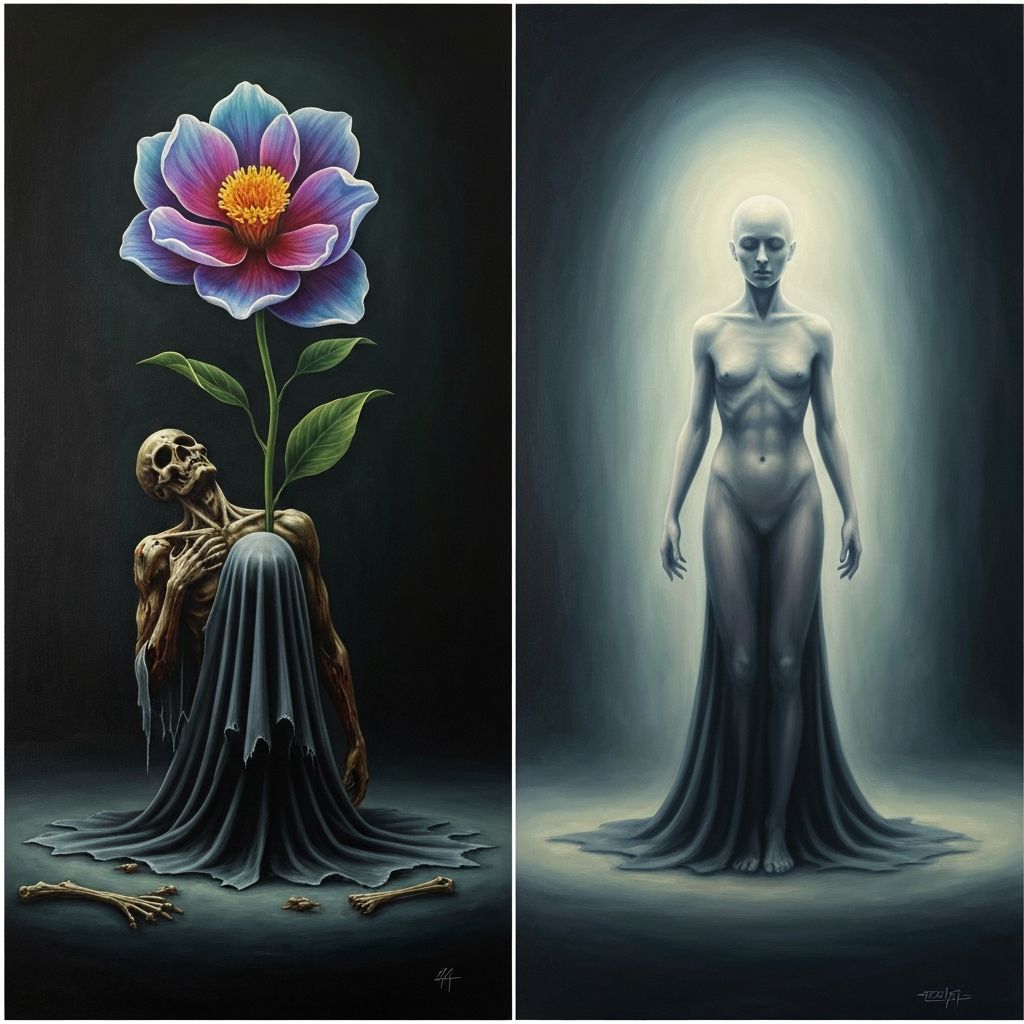
Native lesson
A Nietzschean test for places where life has become complaint.
Purpose
Help the reader recognize resentment and convert it into responsible creation.
Key takeaway
Resentment points to blocked power. The question is whether it can become creation instead of identity.
Nietzsche is most useful when he exposes the pleasure of complaint. Resentment can make pain feel morally superior while keeping life unchanged.
The alternative is not denial. It is to ask what can be made, chosen, practiced, built, or risked from the same energy.
Continue with Mystic Seeker
Use these books to continue the lesson into a deeper reading path.
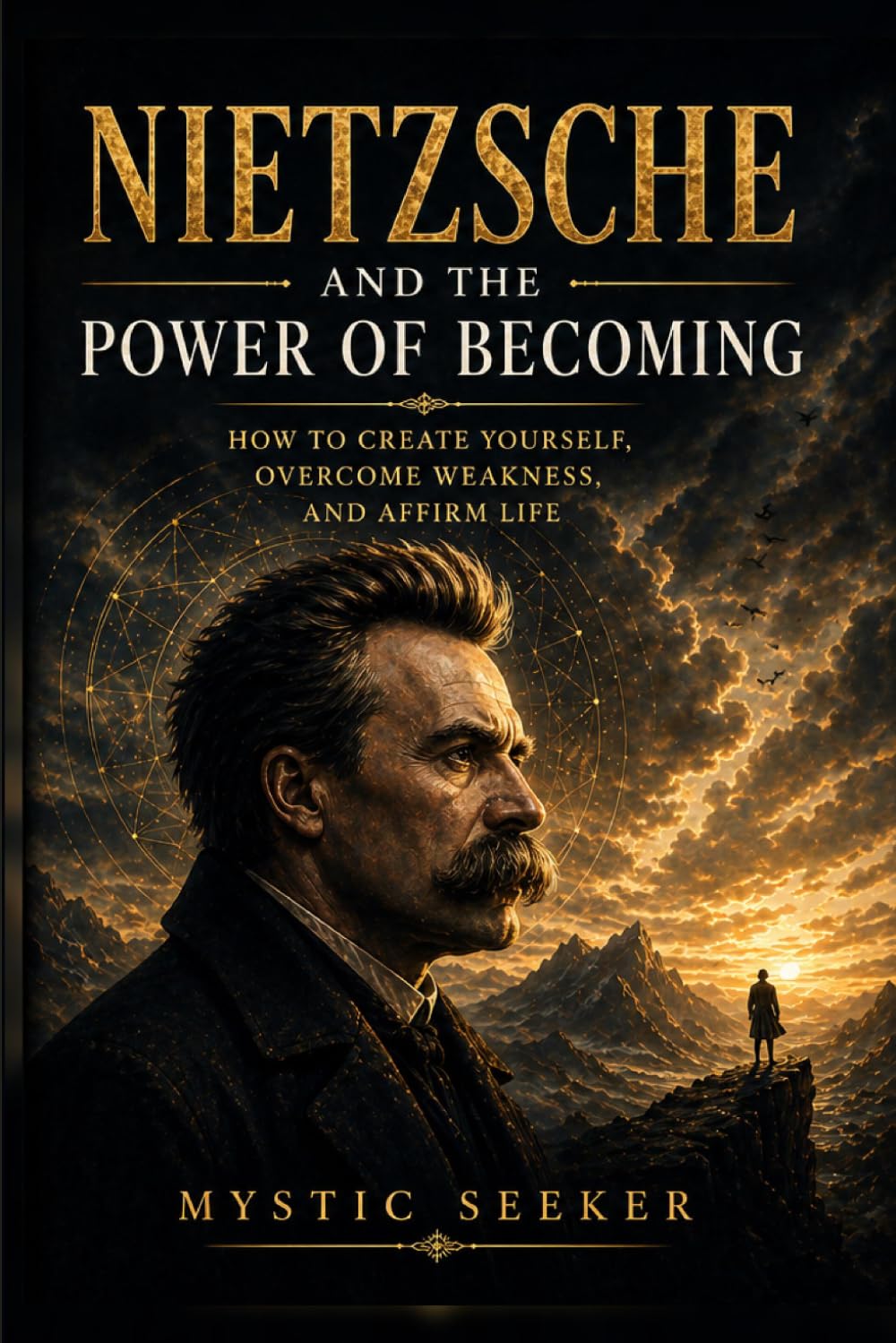
How to Create Yourself, Overcome Weakness, and Affirm Life
This book brings Nietzsche into plain language without reducing his force, turning will to power, self-overcoming, resentment, eternal recurrence, and amor fati into a practical philosophy of becoming.
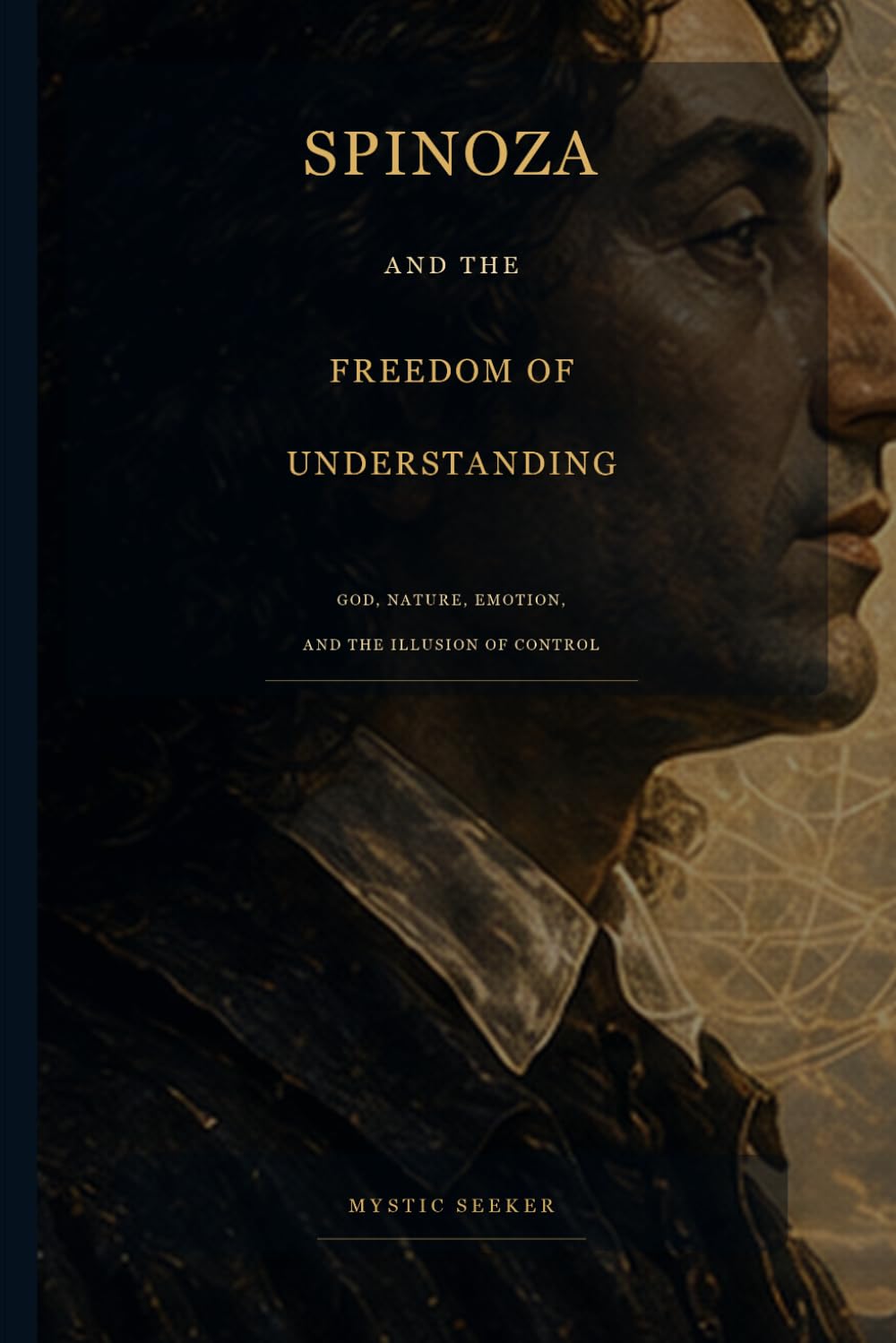
A Clear, Illustrated Guide to God, Nature, Emotion, and Inner Freedom
This book brings Spinoza out of academic distance and into the living questions of control, desire, fear, free will, peace, and the search for a deeper kind of freedom.

Marcus Aurelius & The Art of Controlling Thought, Emotion, and Reaction
Built from the private discipline of Marcus Aurelius, this book turns Stoic insight into a usable system for overthinking, pressure, anger, fear, desire, and self-command in modern life.

Alan Watts and the Art of Letting Go of Who You Think You Are
This book brings Alan Watts into plain, engaging language for readers who feel trapped inside self-image, overthinking, control, and the exhausting need to defend who they think they are.
Copyright © 2026 Mystic Seeker. All rights reserved.