Morning clarity
Use before the day becomes crowded.
- What is the one thing that would make today honest?
- Where can I use less force and more attention?
- What am I carrying that is not required today?
Study Hubs
Explore Osho talks, Ashtavakra Gita, Vedanta, Taoism, Zen, mysticism, saints, symbols, and contemplative practice through organized study pages. Each hub gives you a clear way in: listen, read, save progress, carry better questions, and continue into the Mystic Seeker books that deepen the path.
A broader learning map
Texts, teachers, practices, symbols, and lectures
Study Hubs now move beyond one teacher: Gita, Taoism, Kabir, Stoicism, Spinoza, Nietzsche, Vedanta, Gurdjieff, sacred symbols, grief practice, living traditions, and Osho listening rooms all sit in one searchable structure.
11
Text and practice hubs
7
Listening hubs
18
Traditions and lenses
Explore Study Hubs

Advaita / Non-dual inquiry
Maha Geeta, a 91-part Hindi discourse series
A guided listening home for Osho's Maha Geeta talks on the Ashtavakra Gita, organized for slow study, continuity, and reflection rather than passive consumption.

Meditation / Witnessing
An English listening path into silence, witnessing, and direct inwardness
A compact English Osho series for visitors who want a clear doorway into stillness, meditation, and the difference between spiritual ideas and direct seeing.

Zen / Direct seeing
English Zen talks for directness, shock, and waking from habit
A sharp English Zen-oriented hub for listeners who want teachings that interrupt mental habit, spiritual comfort, and the need to manage awakening from the outside.

Zen / Presence
An English Zen-flavored series on immediacy, wonder, and presence
A shorter English hub for entering the taste of Zen: not as doctrine, but as a living shock of presence, simplicity, and direct appreciation.

Zen / Contemplative poetry
English talks for contemplative listening, nature, poetry, and inner quiet
A gentle English listening path for visitors drawn to silence, nature imagery, poetry, and the way contemplative traditions use beauty to open perception.

Zen / Bodhidharma
An English deep dive into Bodhidharma, Zen discipline, and uncompromising seeing
A deeper English Zen hub for readers who want to understand Bodhidharma as a living challenge: fierce compassion, direct seeing, and freedom from spiritual decoration.
Comparative mysticism
An English comparative hub for Jesus, Zen, paradox, and religious conditioning
A comparative English hub for visitors who want to explore where Christian symbolism, Zen directness, institutional religion, and inner freedom collide.
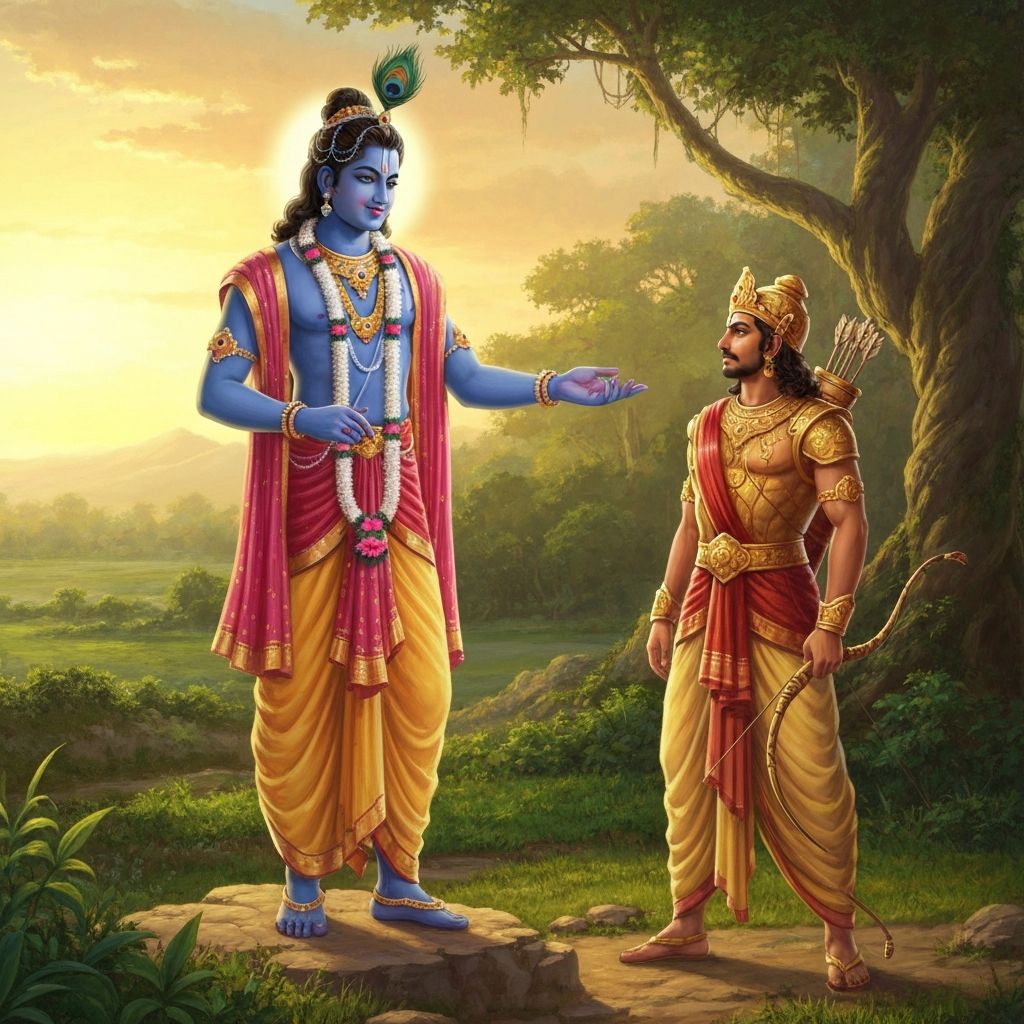
Bhagavad Gita / Karma Yoga
Duty, action, devotion, and inner steadiness when life becomes morally complicated
A practical Gita hub for readers who are not looking for vague inspiration, but a way to stand inside pressure without losing clarity, courage, or inner alignment.

Taoism / Laozi
Wu wei, softness, restraint, and the intelligence of not forcing life
A Taoist study path for people who are tired of over-controlling life and want a wiser relationship with timing, simplicity, power, and rest.
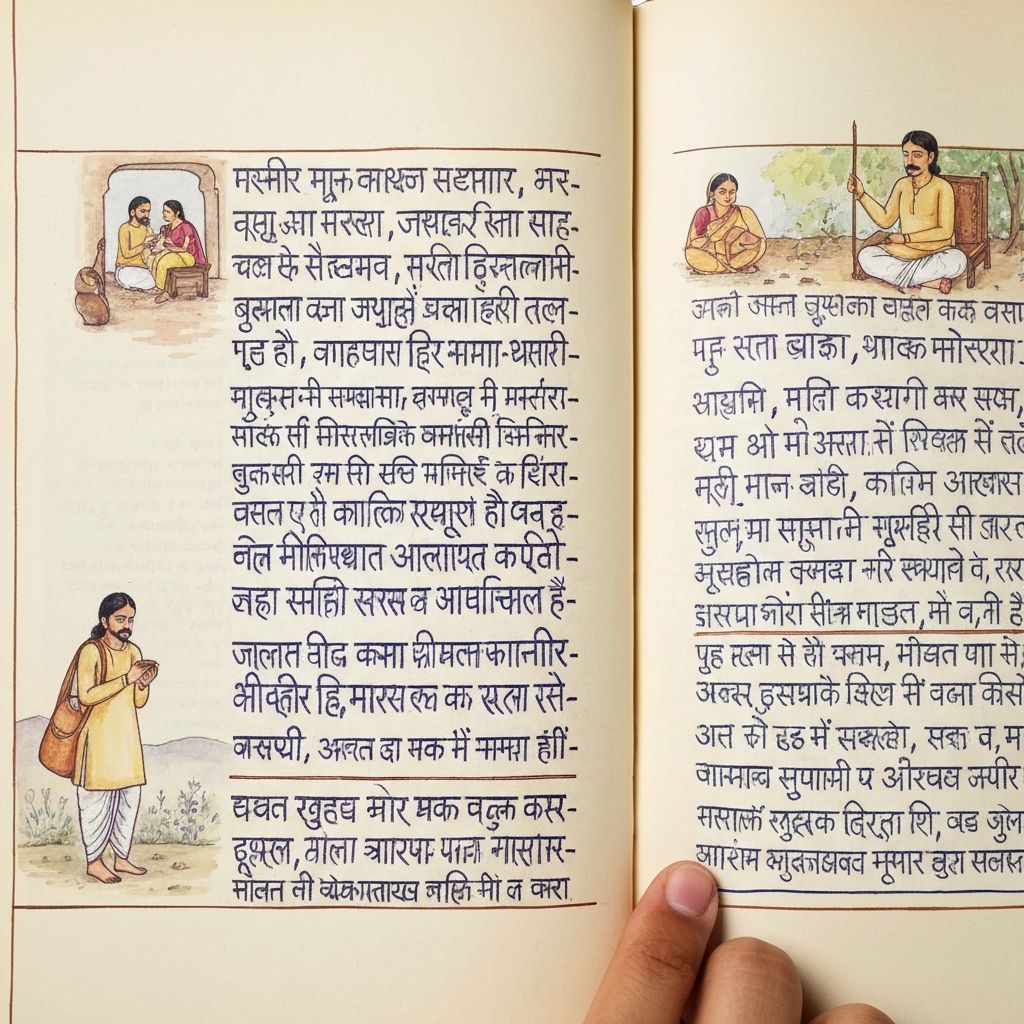
Bhakti / Sant poetry
Poetry, devotion, social courage, and the refusal to hide behind religious performance
A Kabir hub for readers drawn to fierce devotional poetry, religious honesty, and the kind of spiritual language that cuts through both pride and despair.

Stoicism
Attention, restraint, emotional sovereignty, and the daily work of character
A Stoic hub for people who want practical training in thought, reaction, duty, speech, and the difference between control and concern.
Rational mysticism / Spinoza
Emotion, necessity, God-or-Nature, and the quiet liberation of clear seeing
A Spinoza hub for readers who want a calm, rigorous way to understand emotion, freedom, and the possibility of peace without superstition or sentimentality.
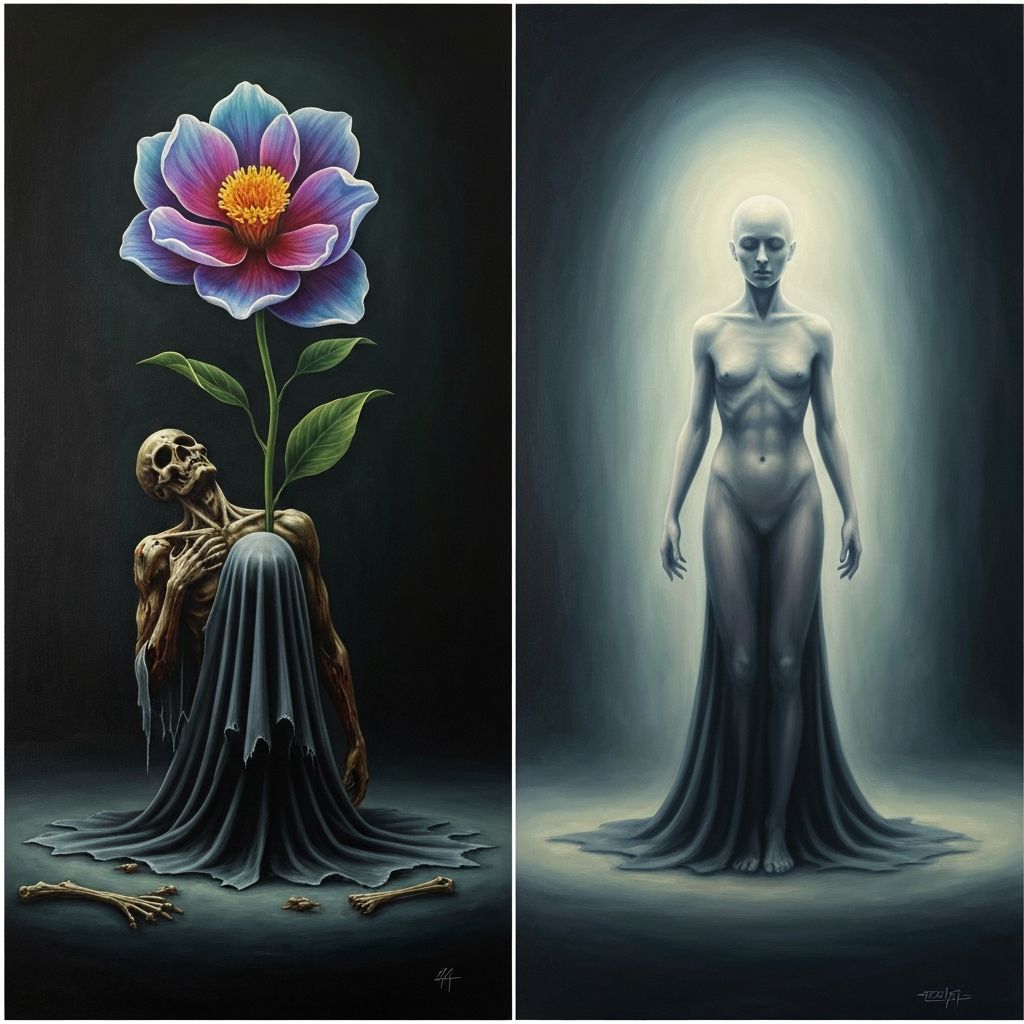
Existential philosophy / Nietzsche
Self-overcoming, courage, values, strength, and the art of creating a life
A Nietzsche hub for readers who feel trapped by inherited values, weakness, resentment, or fear of becoming more fully alive.

Fourth Way / Inner Work
Mechanical life, divided attention, self-remembering, and conscious work in ordinary conditions
A Fourth Way hub for readers who want a grounded, serious approach to waking up inside ordinary life rather than escaping into spiritual performance.
Vedanta / Self-inquiry
Witness consciousness, identity, awareness, and the question behind every spiritual search
A Vedanta hub for readers who want to understand non-duality without turning it into vague language or premature claims of transcendence.

Symbolism / Comparative religion
Protection, transformation, geometry, healing, feminine archetypes, and symbols across cultures
A visual learning hub for understanding symbols as containers of memory, protection, transformation, and spiritual imagination rather than decorative motifs.

Mortality practice / Grief literacy
A compassionate study room for loss, death anxiety, caregiving, endings, and remembrance
A grief-centered hub for people who need language, steadiness, and humane practices around loss, dying, caregiving, unfinished love, and impermanence.
Comparative religion
A comparative doorway into belief, practice, devotion, law, community, and sacred life
A respectful beginner hub for readers who want to understand living religions without reducing them to stereotypes, headlines, or detached academic categories.
Learning toolkit
Use this section when you want structure around the material: a short daily reset, reflection prompts, schools of thought, Aham Vadh listening, or a practical tool.
A gentle structure
This is not a productivity challenge. It is a way to move from noise into a cleaner question, using the learning library as a companion rather than another feed to consume.
How to use it
Spend 10 to 20 minutes each day. If a step opens something real, stay there longer and ignore the schedule.
Day 1
Write the honest title of the life chapter you are in. Do not make it impressive. Make it accurate.
Choose one learning path that matches the title.
Aham Vadh music
Aham Vadh is the music companion for Mystic Seeker: experimental spiritual sound where rhythm becomes inquiry and listening becomes practice.
The project explores non-duality through human and AI collaboration. It is not background music for passive consumption. It is a listening space for the moment when the story of 'I' loosens, the ego softens, and attention returns to what remains.
Ego death
Not self-hatred. Seeing the constructed self loosen.
Dissolution
Question library
Use these before or after a short lesson, chart reading, or practice. The point is not to journal endlessly. The point is to name one thing that becomes clearer.
Use before the day becomes crowded.
Learning paths
A learning site should help people compare ideas without flattening them. These entryways introduce living questions from philosophy, mysticism, religion, and symbolic traditions, then connect each one to a practical way of studying.
How to learn here
Do not start by memorizing terms. Start with the question a tradition is trying to answer, then use the practice that makes that question feel alive.
Indian philosophy
What if the deepest self is not the anxious personality, but awareness itself?
Tools and labs
Some days call for a map, a timeline, a question, a learning note, or a contemplative soundscape. This section keeps the practical next step close.
Keep going
Tell us where you are in the journey and we will send a focused path with study themes, reflection prompts, and next practices that match your season.
Copyright © 2026 Mystic Seeker. All rights reserved.
Day 2
Read one short lesson, reflection, or tradition note. Stop before you consume too much.
Underline or copy one sentence that slows you down.
Day 3
Turn the sentence into a question about your own life.
Answer it in five plain lines.
Day 4
Convert the insight into one behavior for the next 24 hours.
Pick something visible: speech, rest, money, attention, apology, study, or silence.
Day 5
Notice where resistance appeared. Resistance often marks the real lesson.
Write: I avoid this because...
Day 6
Move from the first insight into a related school, practice, symbol, or question.
Study for depth, not volume.
Day 7
A good resource does not end the search. It improves the question.
Write the question you are ready to live with next.
The felt release of gripping, naming, and defending.
Presence
What remains when the narrative quiets.
Begin with Dissolution
Dissolution is a doorway into the core Aham Vadh idea: identity is not destroyed by force, but seen through. Heavy, psychedelic sound becomes a ritual pressure that lets the listener feel contraction, release, and the strange openness after self-image begins to fall away.
Listen as practice
Stream Aham Vadh
Use when a decision has emotional weight.
Use when images or omens repeat.
Use before sleep or after conflict.
Core question
Who am I beneath thought, role, fear, and identity?
Start here
Notice the difference between what changes and the one who notices change.
Vedanta gives readers a powerful language for consciousness, self-inquiry, liberation, and the difference between the passing mind and the witnessing self.
Learning aim
Learn the difference between personality, mind, and witnessing awareness without turning non-duality into an abstract slogan.
Chinese wisdom tradition
What if effort becomes wiser when it stops fighting the nature of things?
Core question
Where am I forcing life instead of moving with it?
Start here
Look for one place where less force would create more clarity.
Taoism teaches simplicity, naturalness, humility, non-forcing, and the art of acting without inner violence.
Learning aim
Understand wu wei as intelligent action, not passivity, and apply it to stress, ambition, speech, and timing.
Greco-Roman philosophy
What if freedom begins by separating what is yours to govern from what is not?
Core question
What is under my control right now?
Start here
Separate the event from your judgment about the event.
Stoicism gives readers practical tools for discipline, emotional steadiness, duty, mortality, and clear action under pressure.
Learning aim
Build a practical map of attention, judgment, discipline, and character that works under ordinary pressure.
Modern philosophy
What if meaning is not found passively, but chosen through responsibility?
Core question
What am I willing to become responsible for?
Start here
Name one choice you keep avoiding because it would make your life more honest.
Existentialism helps readers face freedom, anxiety, authenticity, choice, and the burden of creating a life that is truly lived.
Learning aim
Explore meaning as a lived responsibility: what you choose, what you affirm, and what you refuse to outsource.
Cross-tradition spiritual experience
What if the heart knows truths the analytical mind can only circle around?
Core question
What opens when knowledge becomes love?
Start here
Read one mystical line slowly until it becomes a question for your own life.
Mysticism connects poetry, devotion, direct experience, surrender, and the hunger for union with truth.
Learning aim
Approach mystical language as a disciplined form of seeing, not vague inspiration or inherited sentiment.
Sacred signs, myth, and image-language
What if symbols are not decorations, but condensed maps of human experience?
Core question
What is this image trying to reveal, protect, transform, or heal?
Start here
Track one repeated image for a week and record the feeling that comes with it.
Symbolic thinking helps readers understand dreams, sacred art, rituals, omens, geometry, protection signs, and cross-cultural patterns of meaning.
Learning aim
Learn to read symbols as layered meaning systems: psychological, ritual, cultural, protective, and transformative.
Living traditions and sacred history
What if understanding another faith makes your own questions more precise?
Core question
What does this tradition teach people to honor, practice, and become?
Start here
Ask what a tradition practices daily before asking what it believes abstractly.
Comparative religion gives readers context without flattening differences. It supports humility, literacy, and a more humane encounter with faith.
Learning aim
Compare living traditions through practice, ethics, sacred time, community, and devotion rather than shallow similarity.