Why this hub matters
Spinoza offers a form of spiritual seriousness that does not depend on spectacle. He asks the reader to understand causes, loosen bondage to passive emotions, and find a freedom that grows through clarity rather than fantasy.

Philosopher Hub
Emotion, necessity, God-or-Nature, and the quiet liberation of clear seeing
A Spinoza hub for readers who want a calm, rigorous way to understand emotion, freedom, and the possibility of peace without superstition or sentimentality.
Study mode
Read, test, compare
Tradition
Rational mysticism / Spinoza
Depth
Intermediate
Time
Six focused study sessions
3
Sources
4
Books
How to use this hub
Use these steps as a quick map, then move into the lectures, lessons, source texts, and related books below.
Spinoza is most useful when the core tension is clear: discipline, courage, clarity, self-overcoming, devotion, surrender, or intellectual honesty.
The figure is not the whole point. The lasting value is the insight that clarifies action, attention, emotion, or self-understanding.
The material becomes concrete through strong emotions, their causes, and the difference between suppressing a feeling and understanding what makes it necessary.
A different tradition in the Mystic Seeker library can reveal what this view clarifies, what it leaves unresolved, and where another lens is needed.
Core questions
Can understanding an emotion reduce its power over me?
What kind of freedom remains if everything has causes?
How can reason become peaceful rather than cold?
What does it mean to love reality without needing it to flatter the ego?
Living practice
A strong emotion becomes clearer through its event, imagined meaning, causes, and the freedom that fuller understanding may open.
Hosted lessons
These are native lessons written for this site: short explanations, practices, prompts, and glossaries that make the hub useful without sending visitors away.
A Spinozan way to understand feelings without being ruled by them.
Help the reader move from self-blame to causal understanding.
Open lessonWhy Spinoza's freedom is clarity, not escape from reality.
Clarify Spinoza's practical meaning of freedom.
Open lessonOriginal texts
These editions come from Project Gutenberg and other public-domain archives. Read them here in a cleaner study view, or open the source page for publication details, downloads, and rights information.
What this hub gives you
These notes turn the hub into a usable path: why it matters, how to approach it, and how to make the teaching practical without flattening it.
Spinoza offers a form of spiritual seriousness that does not depend on spectacle. He asks the reader to understand causes, loosen bondage to passive emotions, and find a freedom that grows through clarity rather than fantasy.
Spinoza can feel abstract until his ideas meet an actual emotion such as jealousy, anger, fear, ambition, resentment, or grief.
A strong emotion becomes clearer through its event, imagined meaning, causes, and the freedom that fuller understanding may open.
Study materials
Explore source texts and trusted references connected to this hub. Some readings open here; others continue to the original publisher.
Project Gutenberg
Public-domain English text of Spinoza's Ethics for source study.
Continue with Mystic Seeker
Continue from this study hub into Mystic Seeker books that expand the same questions, practices, and traditions.
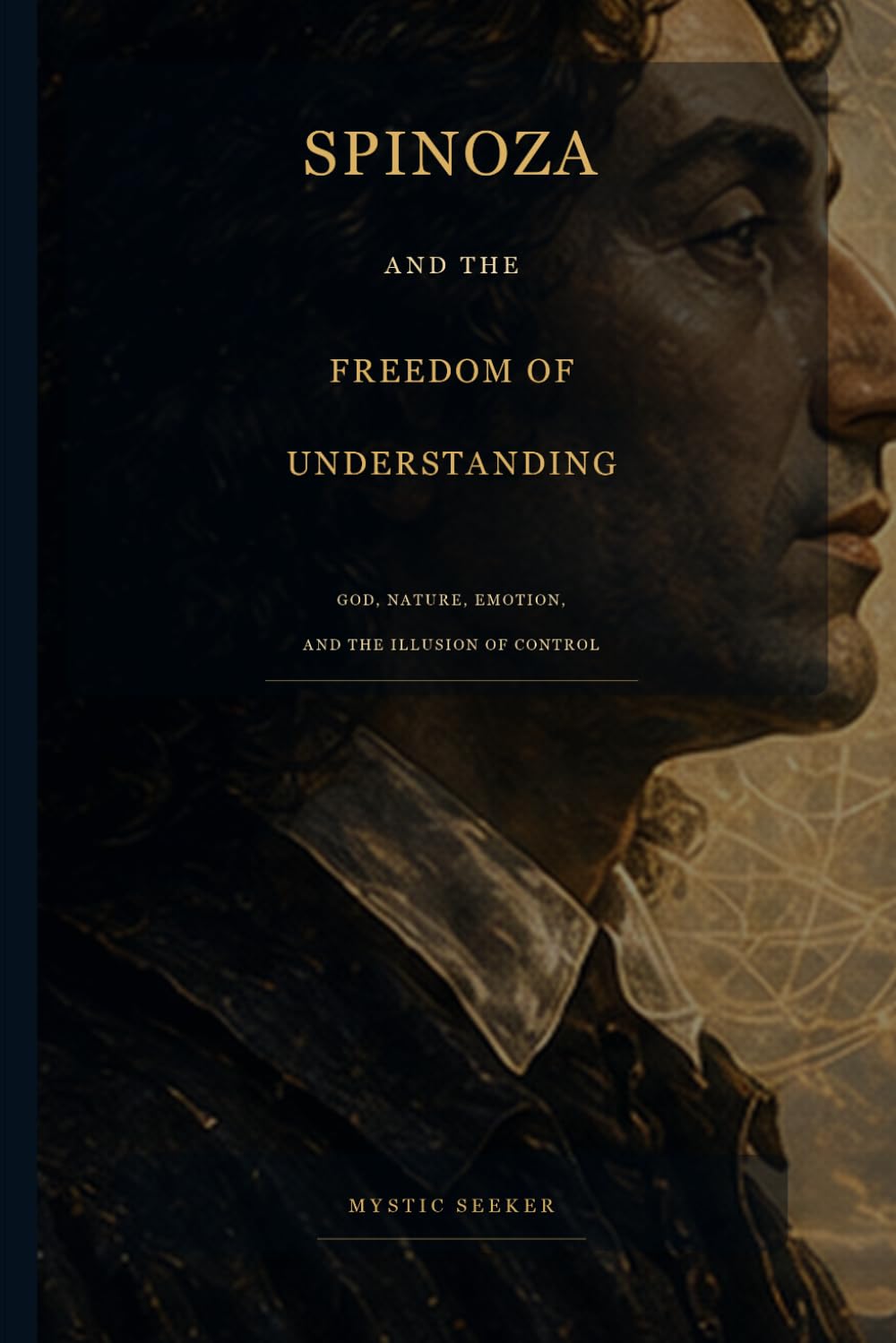
A Clear, Illustrated Guide to God, Nature, Emotion, and Inner Freedom
This book brings Spinoza out of academic distance and into the living questions of control, desire, fear, free will, peace, and the search for a deeper kind of freedom.

Alan Watts and the Art of Letting Go of Who You Think You Are
This book brings Alan Watts into plain, engaging language for readers who feel trapped inside self-image, overthinking, control, and the exhausting need to defend who they think they are.

Marcus Aurelius & The Art of Controlling Thought, Emotion, and Reaction
Built from the private discipline of Marcus Aurelius, this book turns Stoic insight into a usable system for overthinking, pressure, anger, fear, desire, and self-command in modern life.
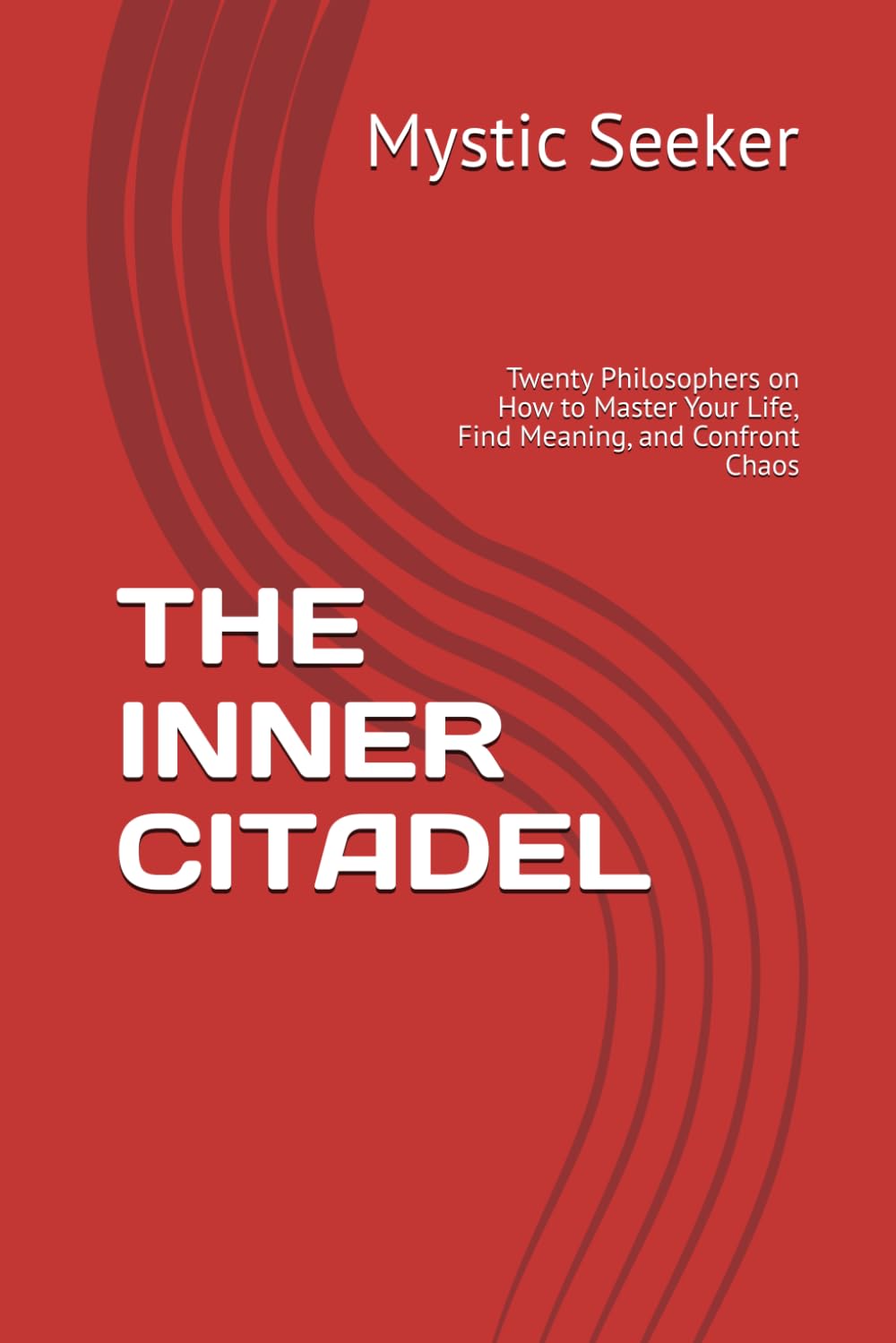
Twenty Philosophers on How to Master Your Life, Find Meaning, and Confront Chaos
This book turns philosophy back into medicine by asking what each thinker helps us endure, understand, or become.
Copyright © 2026 Mystic Seeker. All rights reserved.