Purpose
Help the reader move from self-blame to causal understanding.
Key takeaway
Understanding an emotion does not make it fake. It makes it less tyrannical.
1

Native lesson
A Spinozan way to understand feelings without being ruled by them.
Purpose
Help the reader move from self-blame to causal understanding.
Key takeaway
Understanding an emotion does not make it fake. It makes it less tyrannical.
Spinoza's method asks what produced the emotion. This changes the tone of inquiry from accusation to understanding.
Fear, jealousy, anger, or craving can be studied through causes: memory, expectation, bodily state, social pressure, imagined loss, and incomplete understanding.
Continue with Mystic Seeker
Use these books to continue the lesson into a deeper reading path.
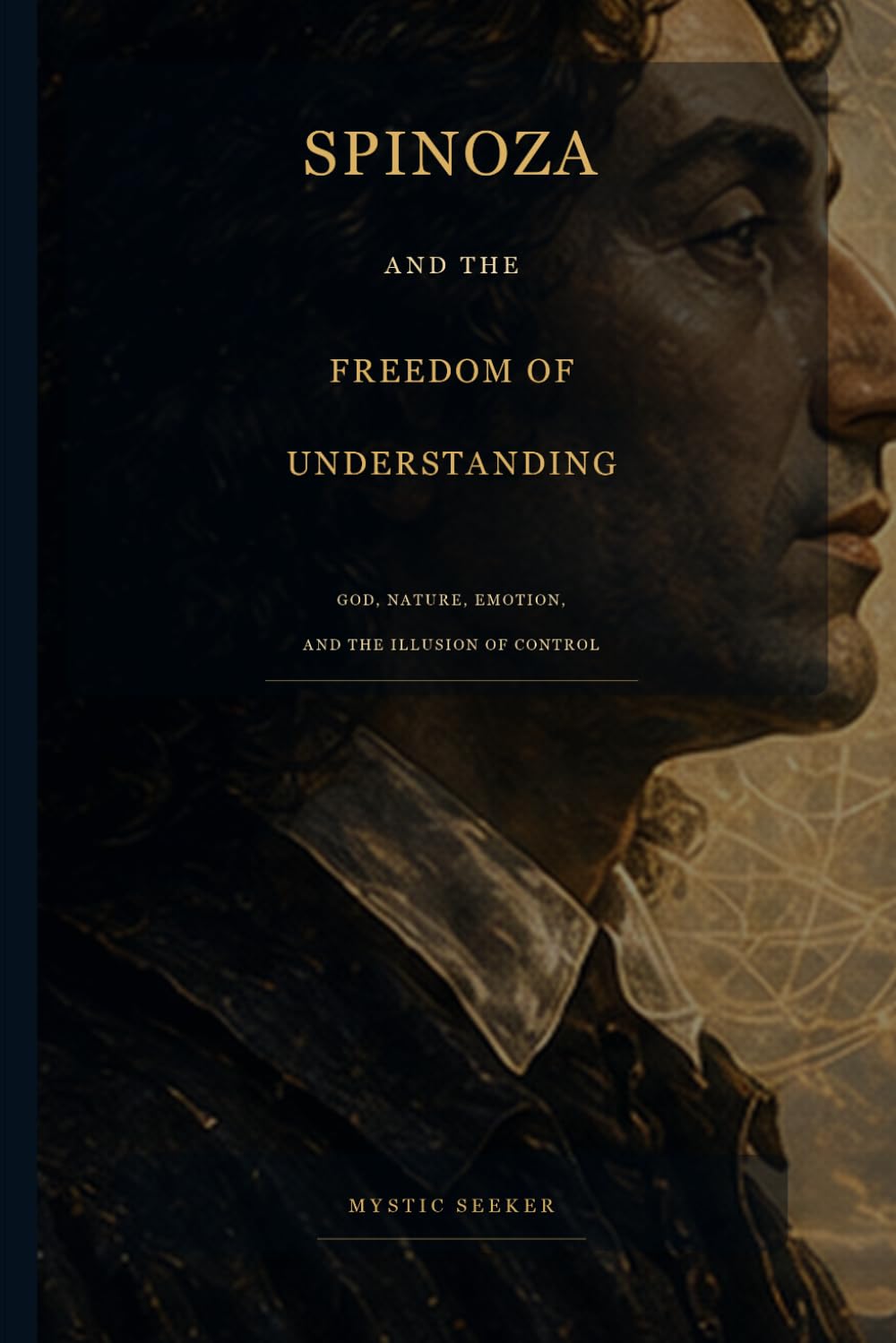
A Clear, Illustrated Guide to God, Nature, Emotion, and Inner Freedom
This book brings Spinoza out of academic distance and into the living questions of control, desire, fear, free will, peace, and the search for a deeper kind of freedom.

Alan Watts and the Art of Letting Go of Who You Think You Are
This book brings Alan Watts into plain, engaging language for readers who feel trapped inside self-image, overthinking, control, and the exhausting need to defend who they think they are.

Marcus Aurelius & The Art of Controlling Thought, Emotion, and Reaction
Built from the private discipline of Marcus Aurelius, this book turns Stoic insight into a usable system for overthinking, pressure, anger, fear, desire, and self-command in modern life.
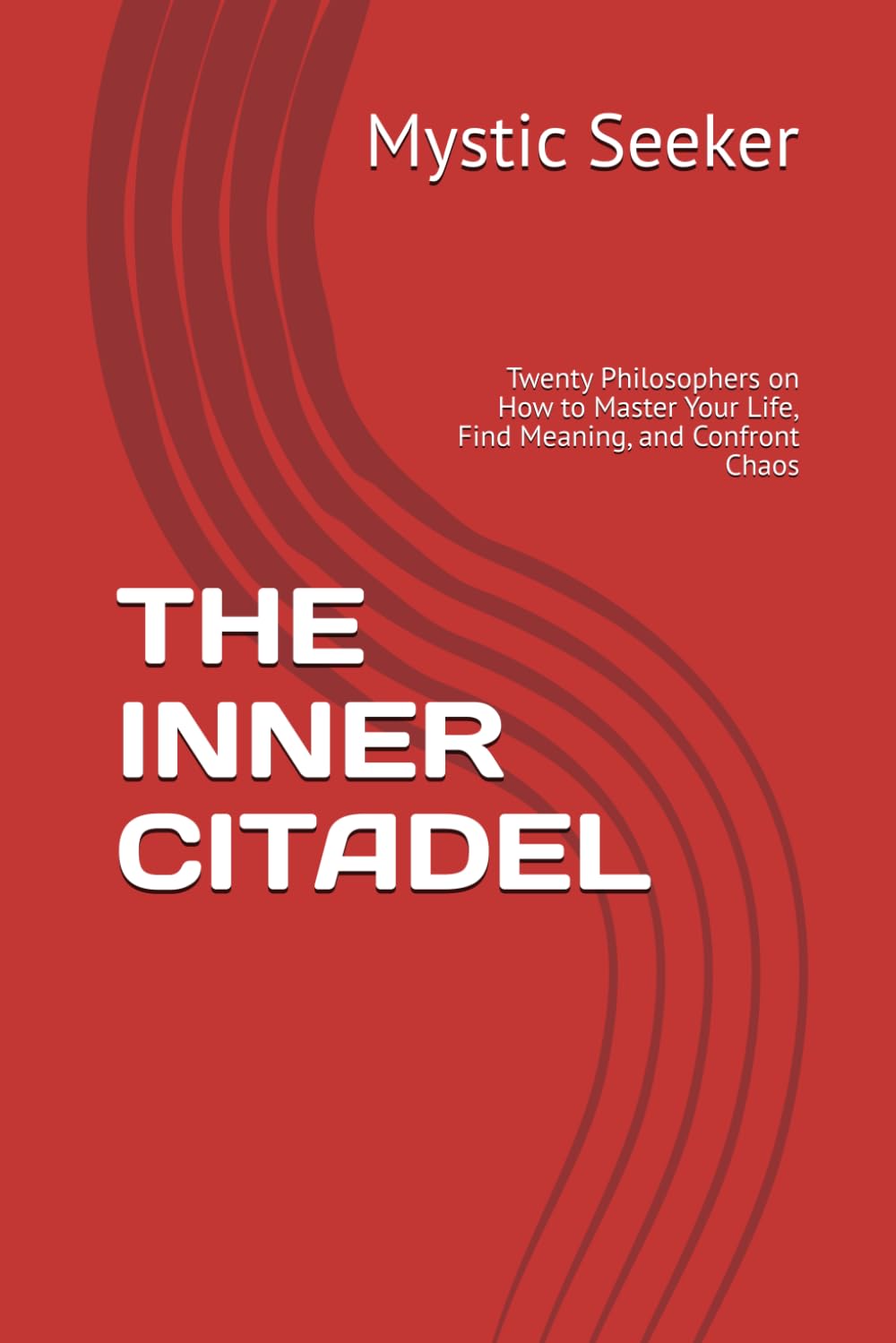
Twenty Philosophers on How to Master Your Life, Find Meaning, and Confront Chaos
This book turns philosophy back into medicine by asking what each thinker helps us endure, understand, or become.
Copyright © 2026 Mystic Seeker. All rights reserved.