Use these steps as a quick map, then move into the lectures, lessons, source texts, and related books below.
textBeginnerRead, reflect, apply
1
The human problem
the Tao Te Ching becomes clearer when its teaching is read through ordinary pressures: fear, duty, desire, grief, identity, control, and the search for freedom.
2
A passage that stays
One sentence or image can carry more force than a rushed chapter. The point is not speed; it is where the teaching becomes practical.
3
Everyday relevance
This hub connects the text with places where force is failing and a softer move may be wiser: fewer words, cleaner timing, less display, or a simpler next step.
4
Deeper questions
Later readings usually become less about collecting answers and more about refining perception.
Core questions
Use these as entry points.
4
Where am I using force because I do not trust timing?
What does effortless action mean without becoming passive?
Why does softness often outlast hardness?
How can simplicity become a form of wisdom rather than withdrawal?
Living practice
Taoist practice often appears as doing less but doing it more exactly: fewer words, one unnecessary step removed, and more space for clarity.
Hosted lessons
Read the Mystic Seeker guide inside this hub.
These are native lessons written for this site: short explanations, practices, prompts, and glossaries that make the hub useful without sending visitors away.
These editions come from Project Gutenberg and other public-domain archives. Read them here in a cleaner study view, or open the source page for publication details, downloads, and rights information.
These notes turn the hub into a usable path: why it matters, how to approach it, and how to make the teaching practical without flattening it.
1
Why this hub matters
Taoist wisdom is especially useful for people who confuse intensity with effectiveness. The Tao Te Ching repeatedly points toward a quieter kind of strength: action that fits the moment, speech that does not waste energy, and leadership that does not need spectacle.
2
Study focus
Taoist language is often poetic because it speaks to the nervous system as much as the intellect.
A short passage can be more useful than a rushed sequence of chapters.
Images of water, valley, emptiness, uncarved wood, and the child carry much of the teaching.
The urge to dominate often appears where listening would be wiser.
Daily friction is the ordinary laboratory for wu wei.
3
Living practice
Taoist practice often appears as doing less but doing it more exactly: fewer words, one unnecessary step removed, and more space for clarity.
Study materials
Curated sources for this hub.
Explore source texts and trusted references connected to this hub. Some readings open here; others continue to the original publisher.
Primary sourceRead hereEnglish
The Tao Teh King
Project Gutenberg
James Legge's public-domain Tao Te Ching translation for direct reading.
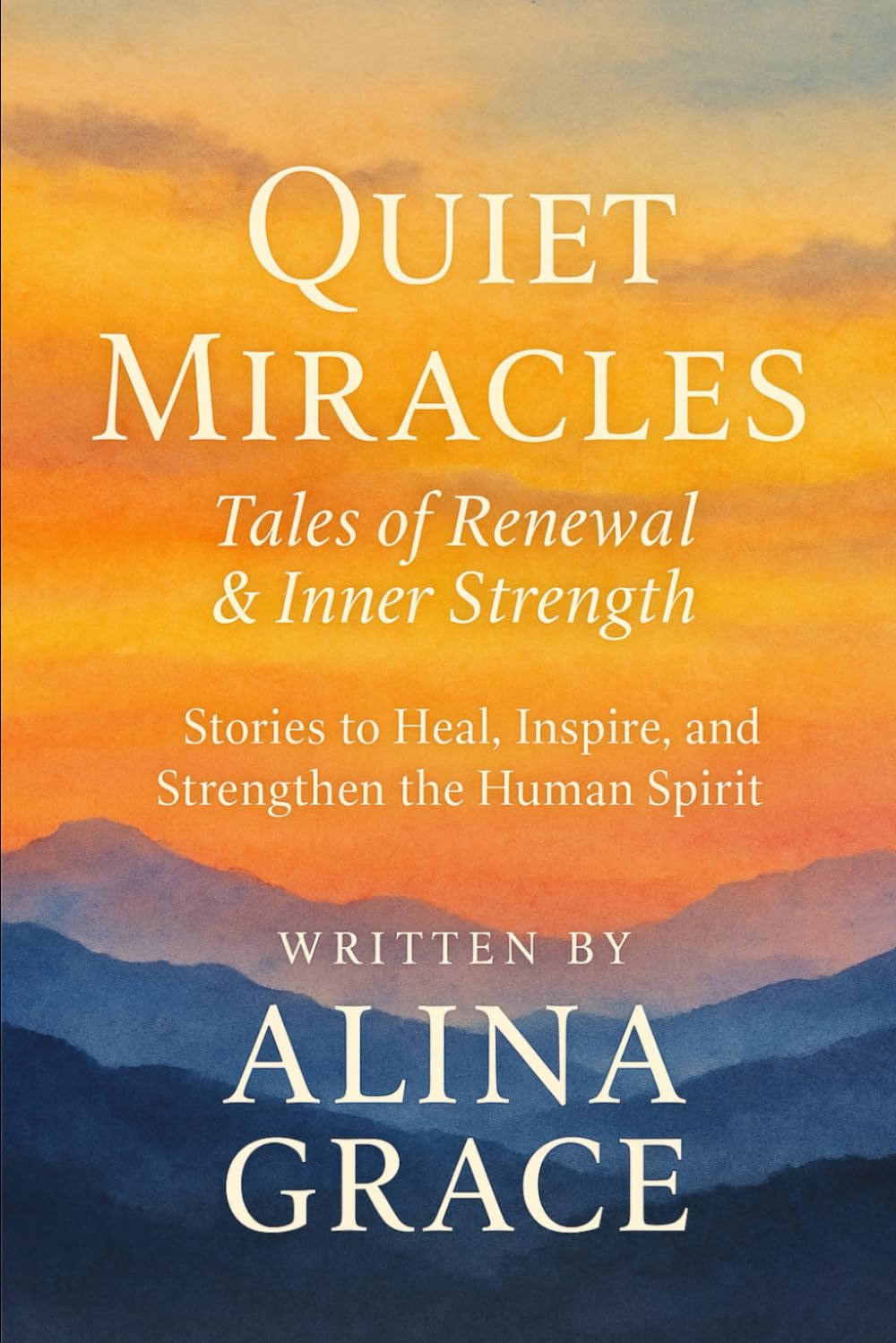
This book turns the Tao from a distant idea into a way of moving through work, grief, relationships, burnout, and daily pressure with more softness and steadiness.
This book turns wu wei, simplicity, softness, and non-resistance into a readable practice for overwhelmed modern readers tired of pushing life into shape.
Alan Watts and the Art of Letting Go of Who You Think You Are
This book brings Alan Watts into plain, engaging language for readers who feel trapped inside self-image, overthinking, control, and the exhausting need to defend who they think they are.