Purpose
Show how softness can be a disciplined form of power.
Key takeaway
Softness is not weakness. It is strength that does not waste itself trying to appear strong.
1
Native lesson
Why Taoist strength often looks quiet from the outside.
Purpose
Show how softness can be a disciplined form of power.
Key takeaway
Softness is not weakness. It is strength that does not waste itself trying to appear strong.
The Tao Te Ching repeatedly returns to images of water, valley, infant, and uncarved wood because they correct the ego's fantasy of control.
Soft power can be recognized by restraint, timing, adaptability, and the ability to remain whole without dominating the room.
Continue with Mystic Seeker
Use these books to continue the lesson into a deeper reading path.

Lao Tzu's Path to Effortless Wisdom
This book turns the Tao from a distant idea into a way of moving through work, grief, relationships, burnout, and daily pressure with more softness and steadiness.

Laozi and the Art of Effortless Living
This book turns wu wei, simplicity, softness, and non-resistance into a readable practice for overwhelmed modern readers tired of pushing life into shape.

Alan Watts and the Art of Letting Go of Who You Think You Are
This book brings Alan Watts into plain, engaging language for readers who feel trapped inside self-image, overthinking, control, and the exhausting need to defend who they think they are.
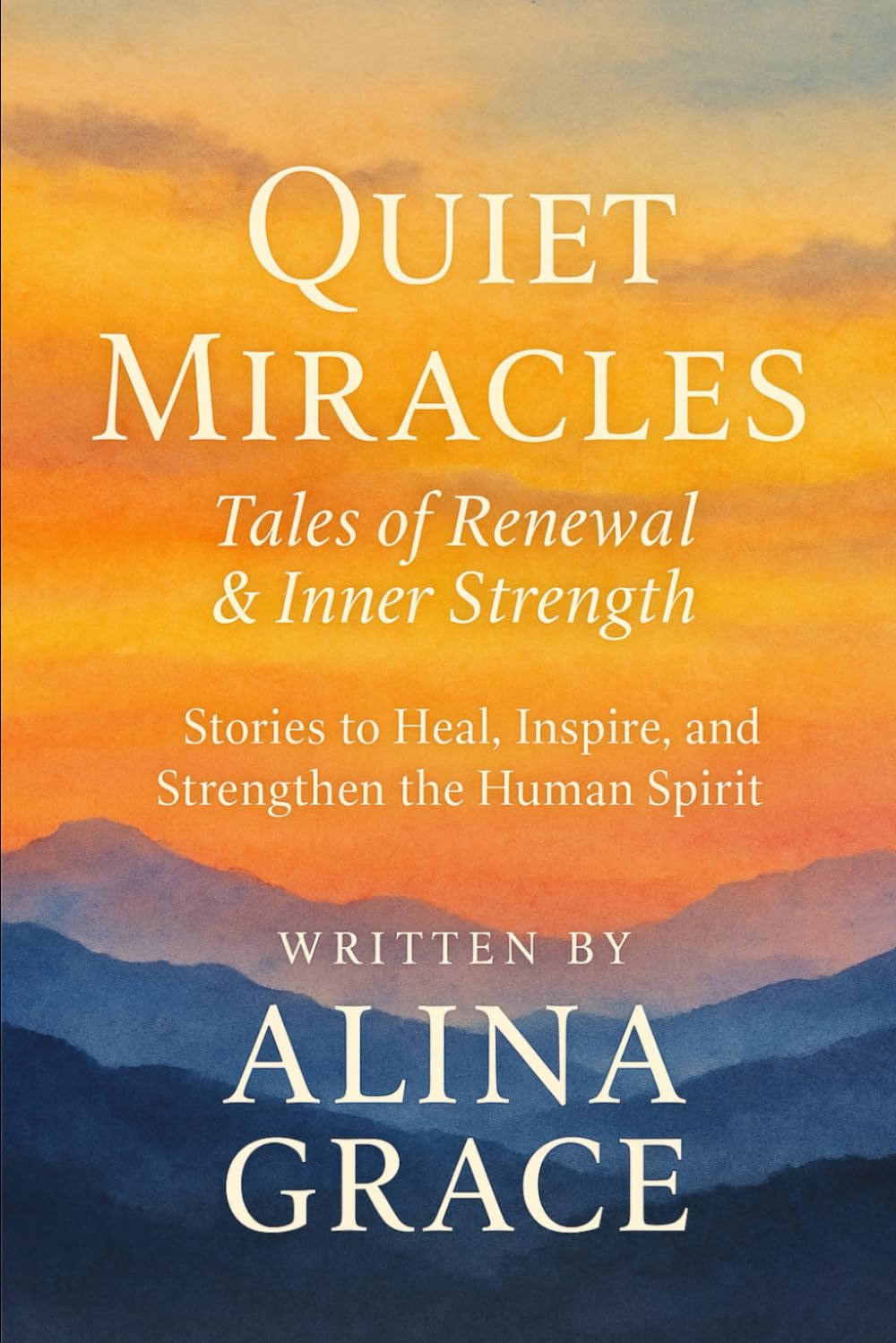
Stories to Heal, Inspire, and Strengthen the Human Spirit
These stories are designed not just to entertain but to repair, steady, and warm the reader in difficult seasons.
Copyright © 2026 Mystic Seeker. All rights reserved.